SQL Server Index Maintenance: Stop Rebuilding Everything Nightly
Create a sustainable maintenance plan using workload, page density, statistics, and Query Store—not fragmentation alone.
Create a sustainable maintenance plan using workload, page density, statistics, and Query Store—not fragmentation alone.
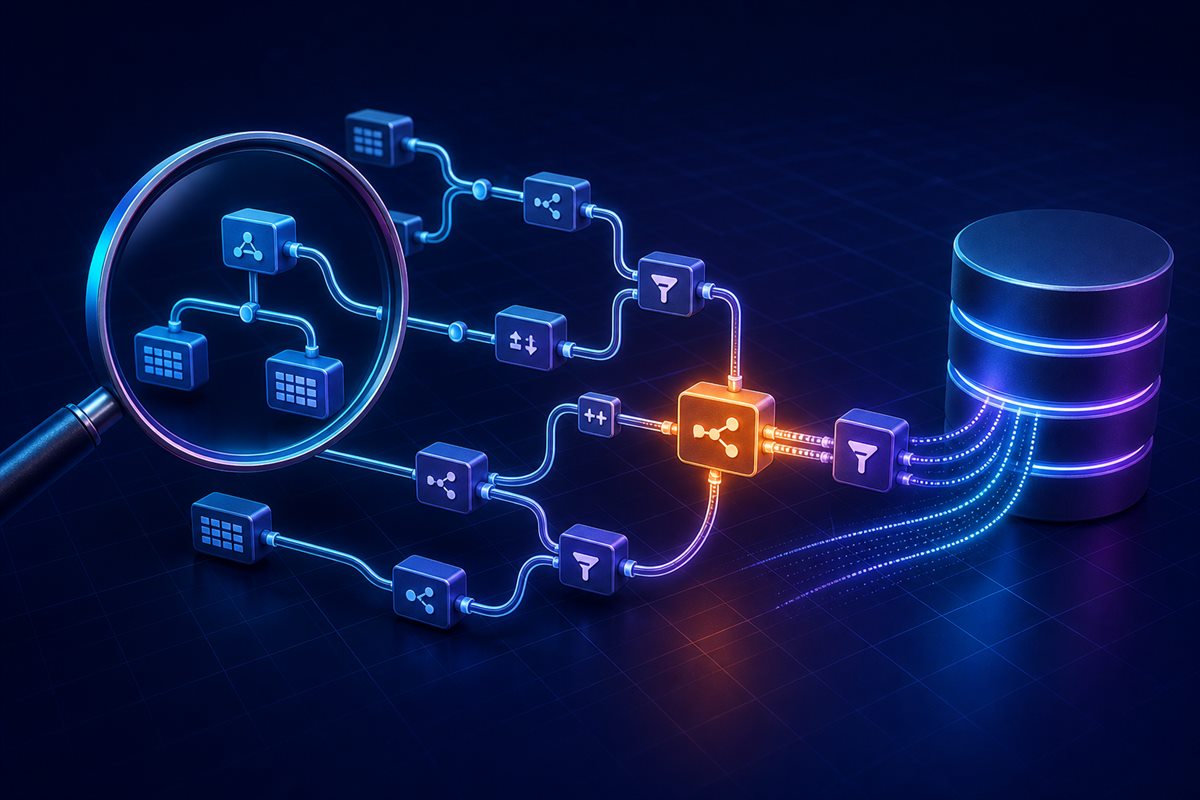
Use the expand-contract pattern to keep old and new application versions compatible during schema changes.
Analyze execution-plan operators, cardinality errors, and bottlenecks with a realistic query.
Learn practical techniques to improve SQL Server query performance using indexes, execution plans, filtering and query optimization.

Learn how foreign keys connect tables, enforce data integrity and control delete behaviors in relational database systems.
Learn how SQL indexes improve query performance, when they should be used and what problems unnecessary indexes can cause.
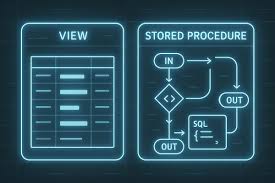
Explore the performance, security, reusability and maintainability benefits of stored procedures in SQL Server.

Database normalization is a design technique used in relational databases to organize data in a cleaner, more consistent, and manageable structure. Its main purpose is to prevent unnecessary duplication of the same information and to create proper relationships between tables.
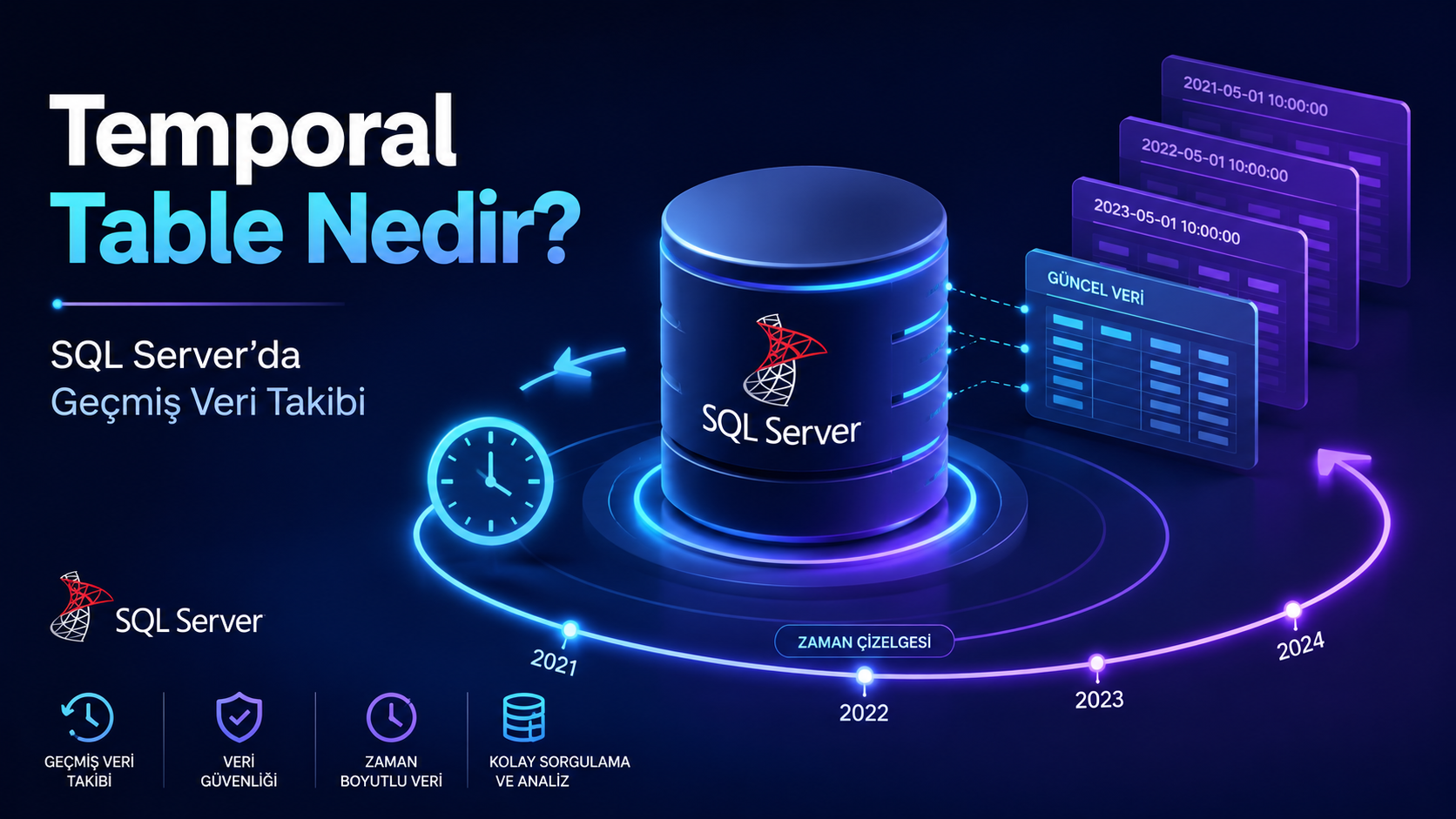
Learn how SQL Server temporal tables track historical versions of data and support audit and reporting scenarios.
Learn how to store and query JSON data in SQL Server using JSON_VALUE, JSON_QUERY and OPENJSON functions.
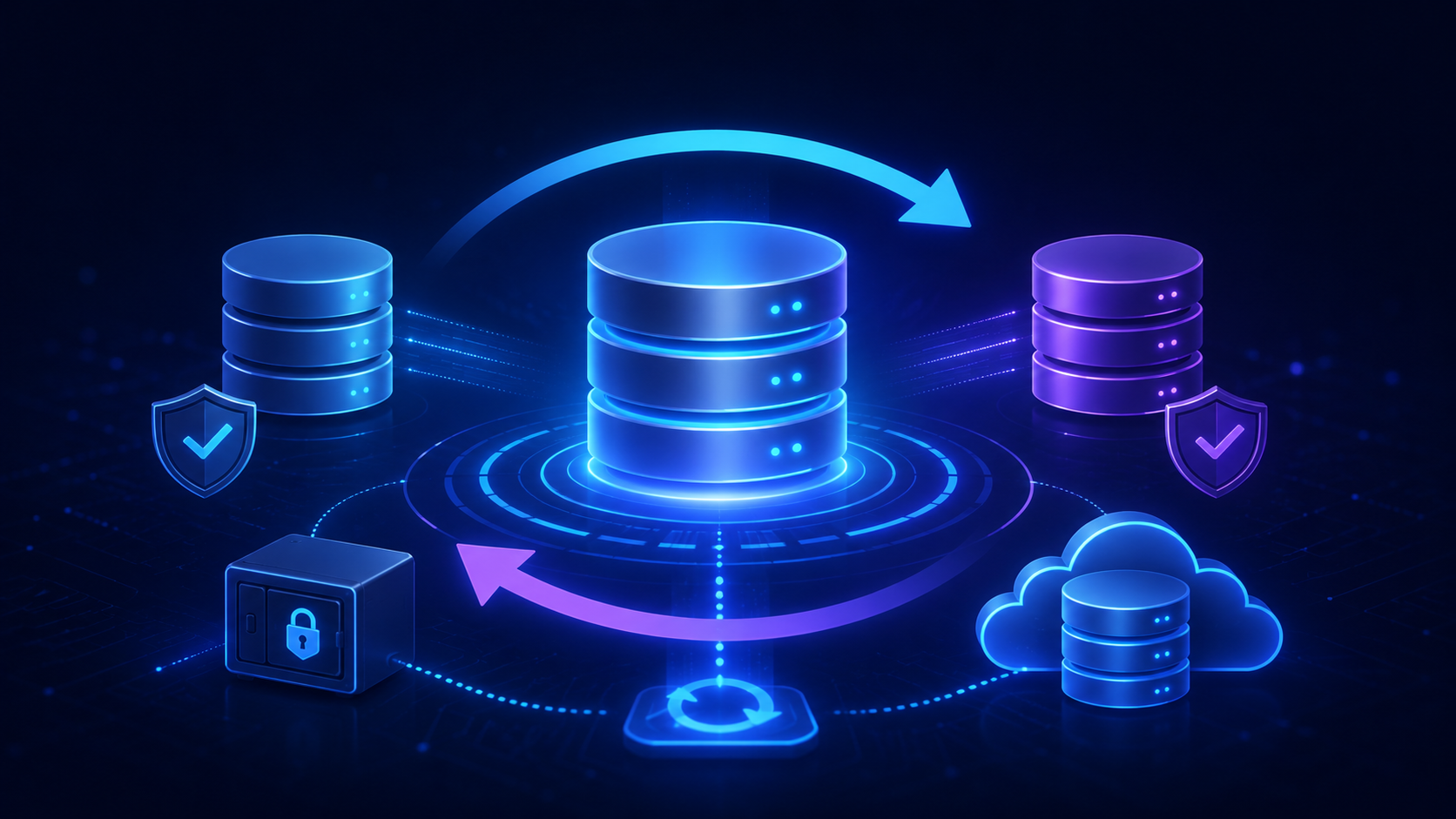
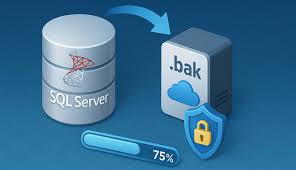
Learn full, differential and transaction log backups, restore scenarios and disaster recovery planning in SQL Server.

Learn why SQL Server deadlocks happen, how locking works and how transaction design and indexes reduce deadlock risk.
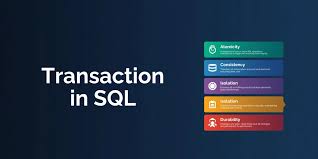
Learn SQL Server transaction isolation levels, dirty reads, non-repeatable reads, phantom reads and their effect on consistency.